
From the Book Fair to the Mobile World Congress to Bruce Springsteen’s concert in Spain, every event is unique and different, but they all have something in common: they require a lot of time and preparation.
Think back to the last concert you attended. Before buying tickets, it’s normal to check the date and location, and whether any special guests are attending. Depending on the type of event, the organization time can vary from a month and a half to two years!
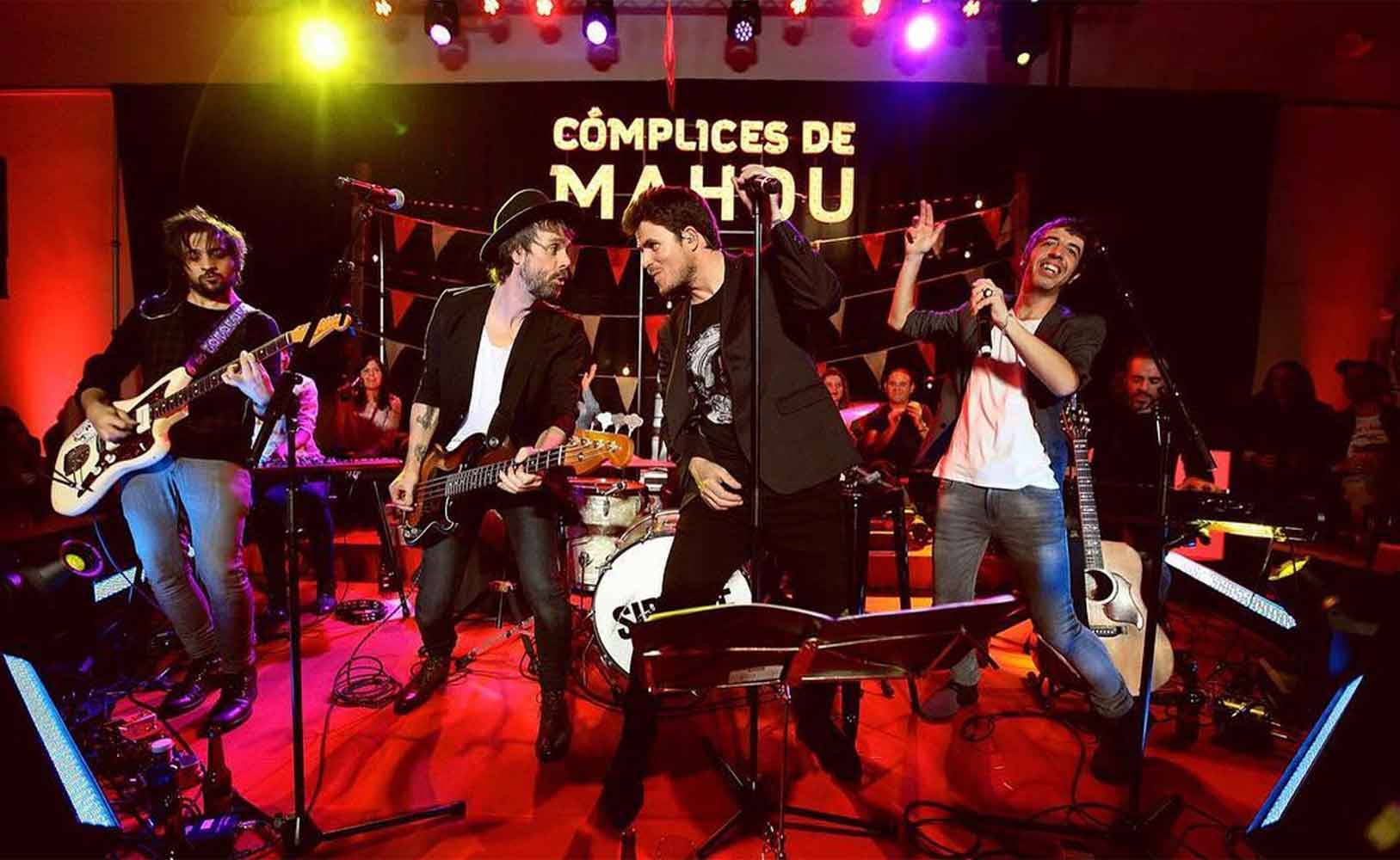
“Cómplices de Mahou” tour across Spain, featuring El Canto del Loco with Dani Martín.
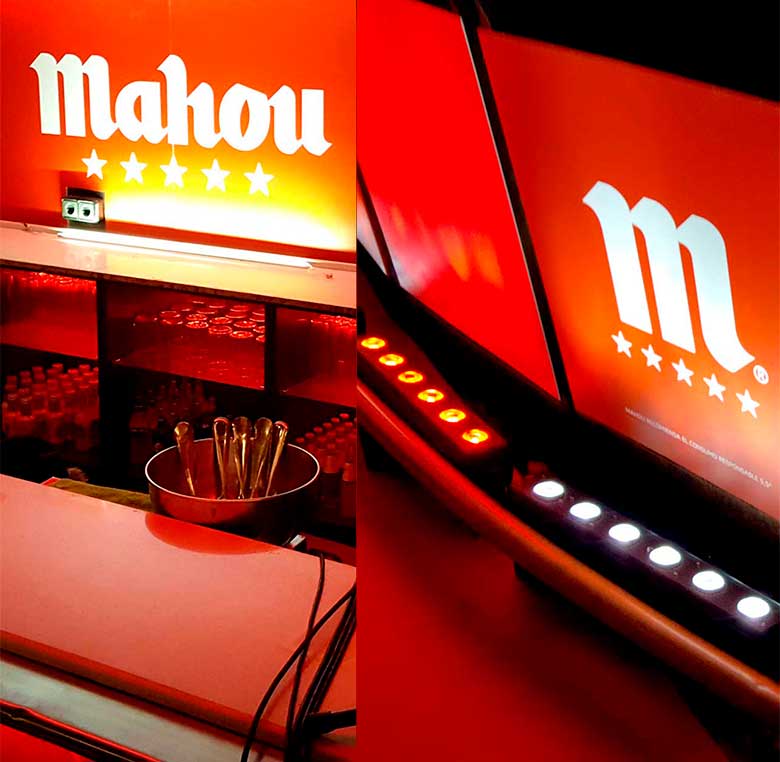
Installation of printed vinyl illuminated from below.
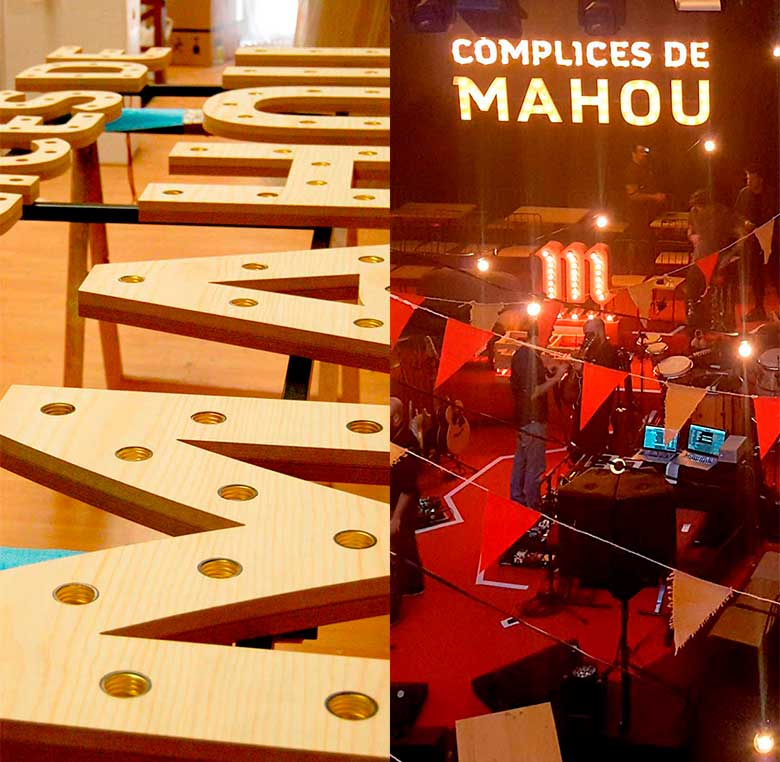
Wooden 3D sign with electrical installation.
In this post, we discuss the services and basic aspects you need to consider to set up your event in the retail sector, according to your needs.
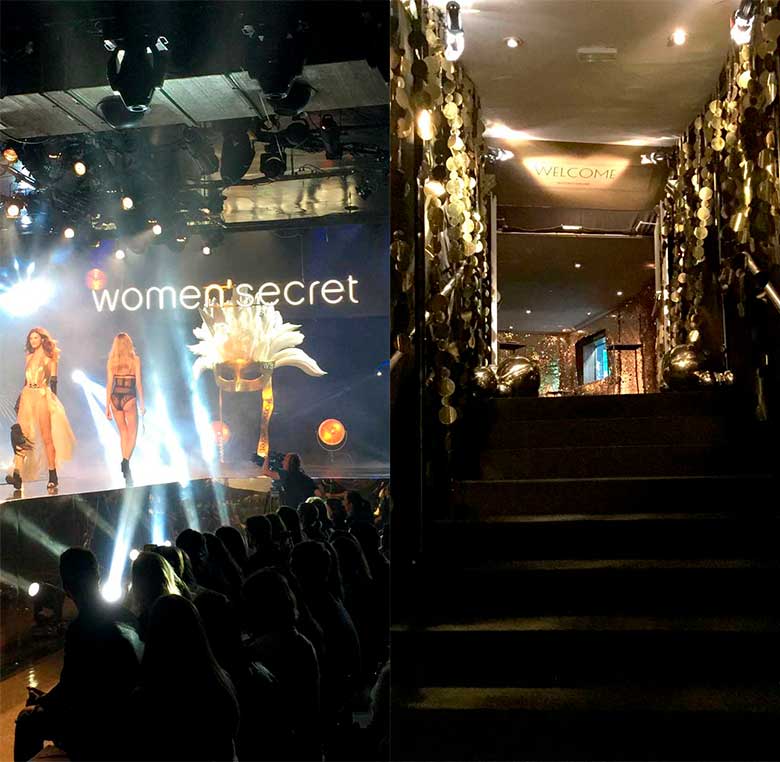
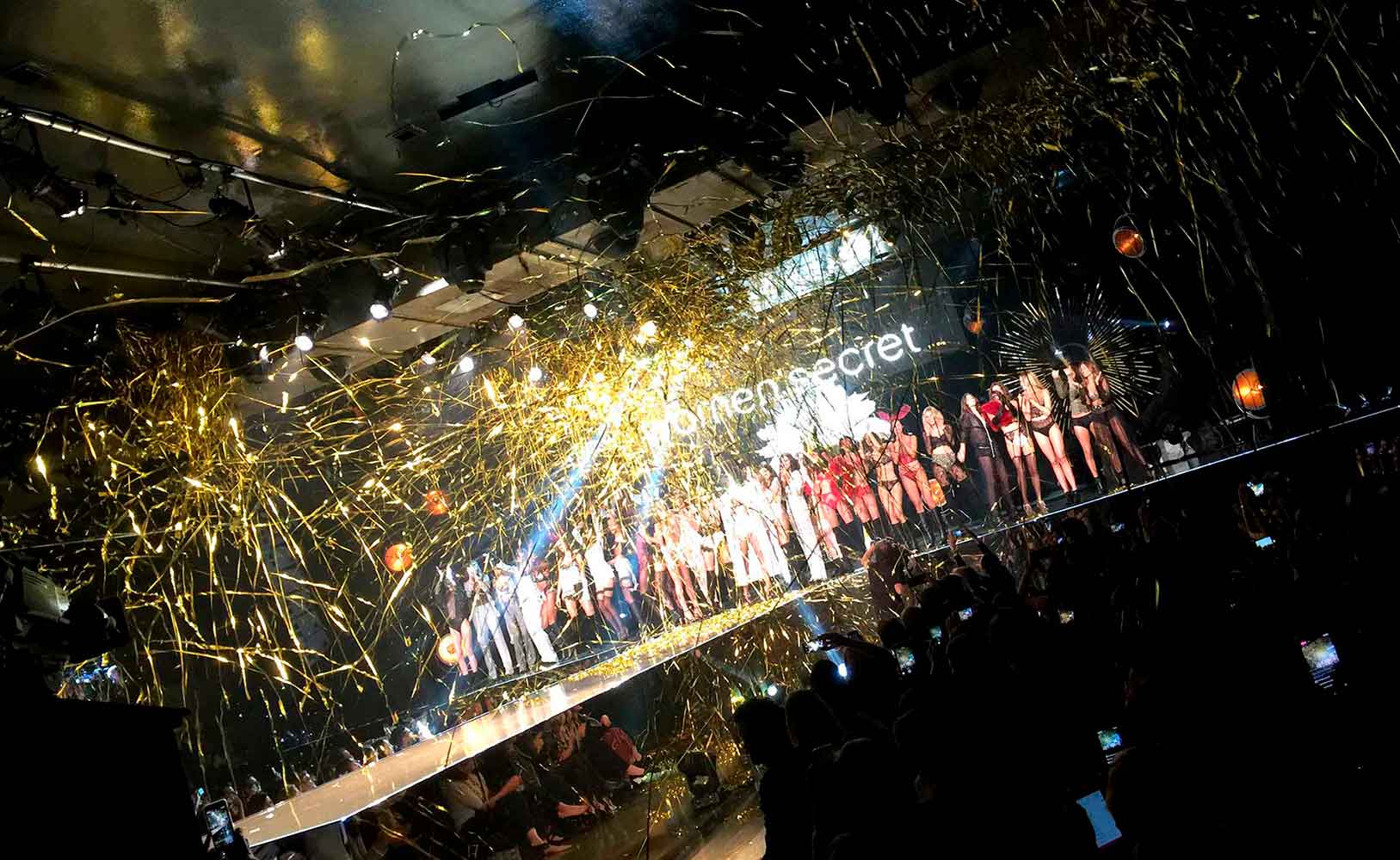
Catwalk with spotlights and models walking for the Women’Secret Night 2017 event. Gold decoration at the event entrance.
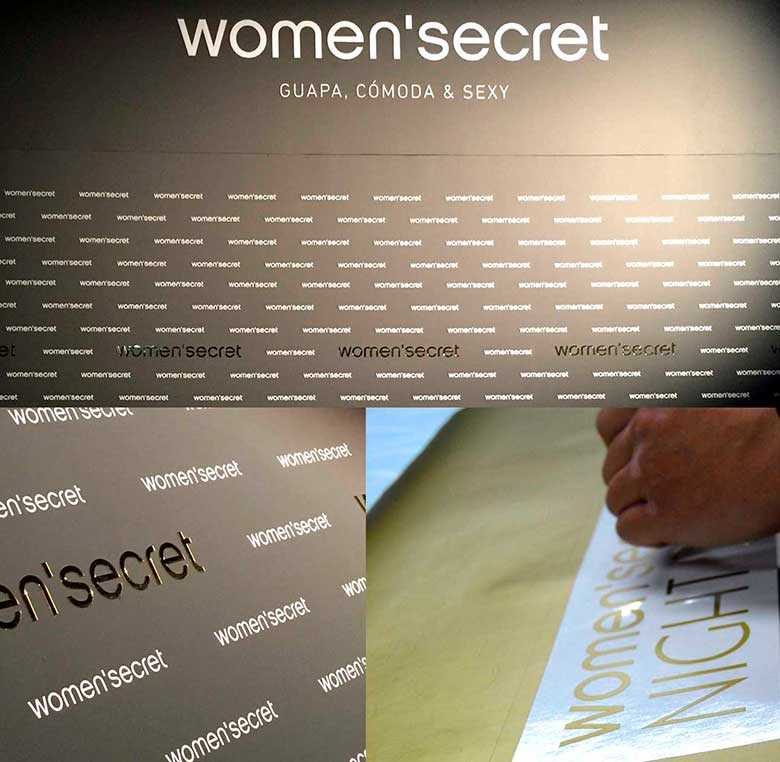
Photocall and signs in black and gold for the Women’secret Night 2017 event.
At the 2017 event of the Spanish lingerie and homewear brand Woman Secret, under the slogan “beautiful, comfortable, and sexy,” and the hashtags #WSnight and #WantedWS, you can see how proper design and planning are the keys to a successful event.
It was much more than a fashion show to display their collection; the event generated very positive results and a lot of buzz. Their goal was to present their Christmas collection, but they also succeeded in creating a different experience for all attendees, thereby conveying the brand’s values. In addition to creating the entire physical part of the event, it was accompanied by an impactful social media campaign and even a specific website for the event.
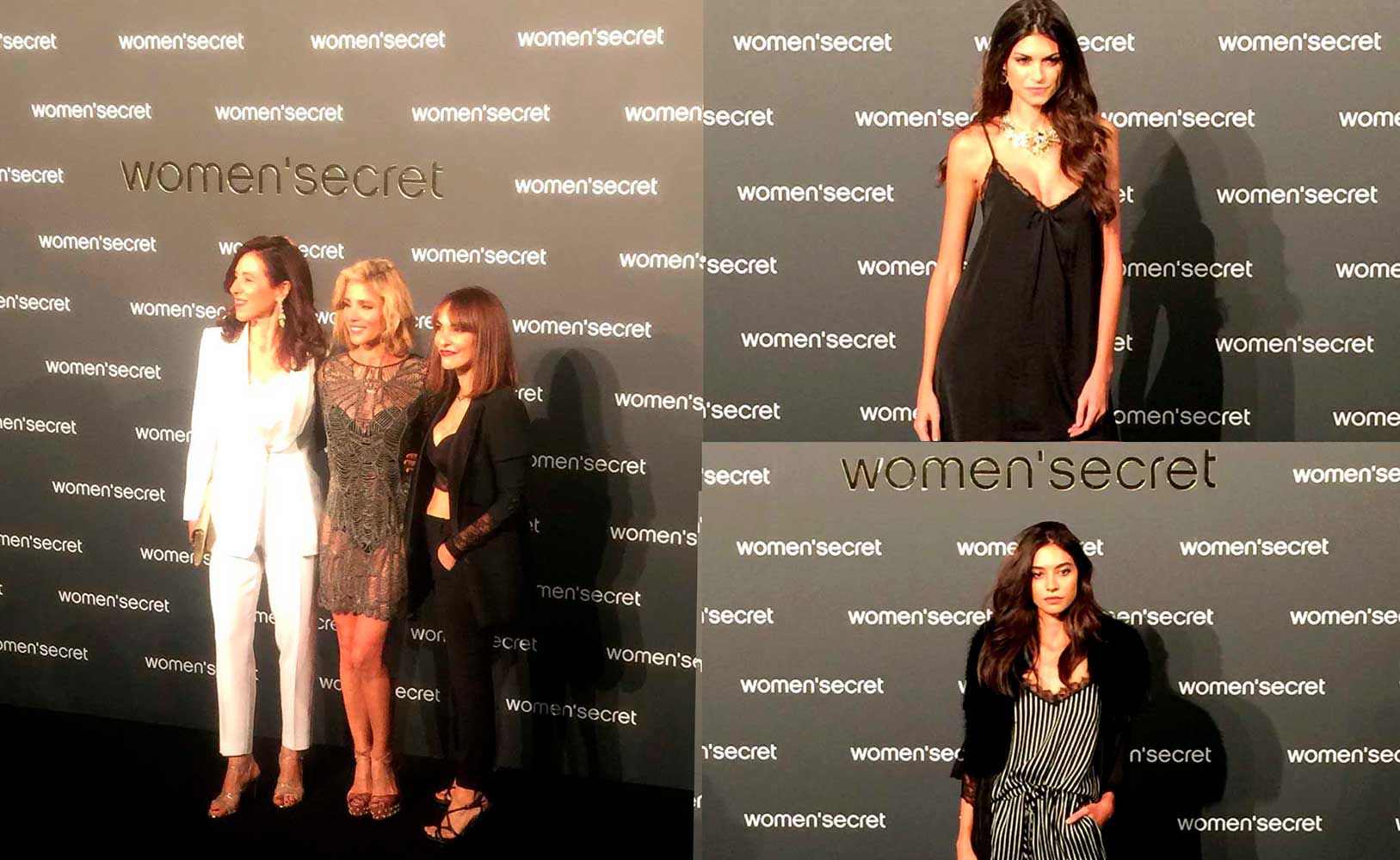
Photocall for the Women’Secret event featuring Elsa Pataky as the brand ambassador.
The event featured celebrities such as Elsa Pataky, Laura Escanes, and the popular actor Álvaro Morte.
The event was a resounding success. All elements from start to finish were integrated: the photocall, lighting, sound, decorative elements, music, production, setup, etc.
One tool to surprise guests is the WOW Factor in events, by carrying out specific and surprising actions that direct the audience’s attention where we want. In this particular case, thanks to the animation at the end of the show, the guests were amazed and had a great experience of the show.
Image of the end of the Women’secret Night runway in 2017, featuring golden confetti, lighting, and music.
As you can see in this example, making an impact on your guests is crucial. You should first resort to several basic resources and then develop a more surprising strategy that is always linked to your brand values.
It is important to consider the main objective for which the event is being held; whether it is to communicate, educate, or promote sales. The event should become a ceremony in which the guests are impacted simply and directly, creating an unforgettable experience. This way, you can achieve brand recognition and increase the company’s visibility by generating a company-client connection.
What are the benefits of creating an event?
Types of events
Each event can also vary in format depending on the type of audience they are targeting. By changing the event setup, the way the event is perceived can be more dynamic and original, or simpler and more direct. There are eleven different formats: webinars, workshops, congresses, races, fandom meetups, festivals, hackathons, product launches, networking events, tournaments, and wine tastings.
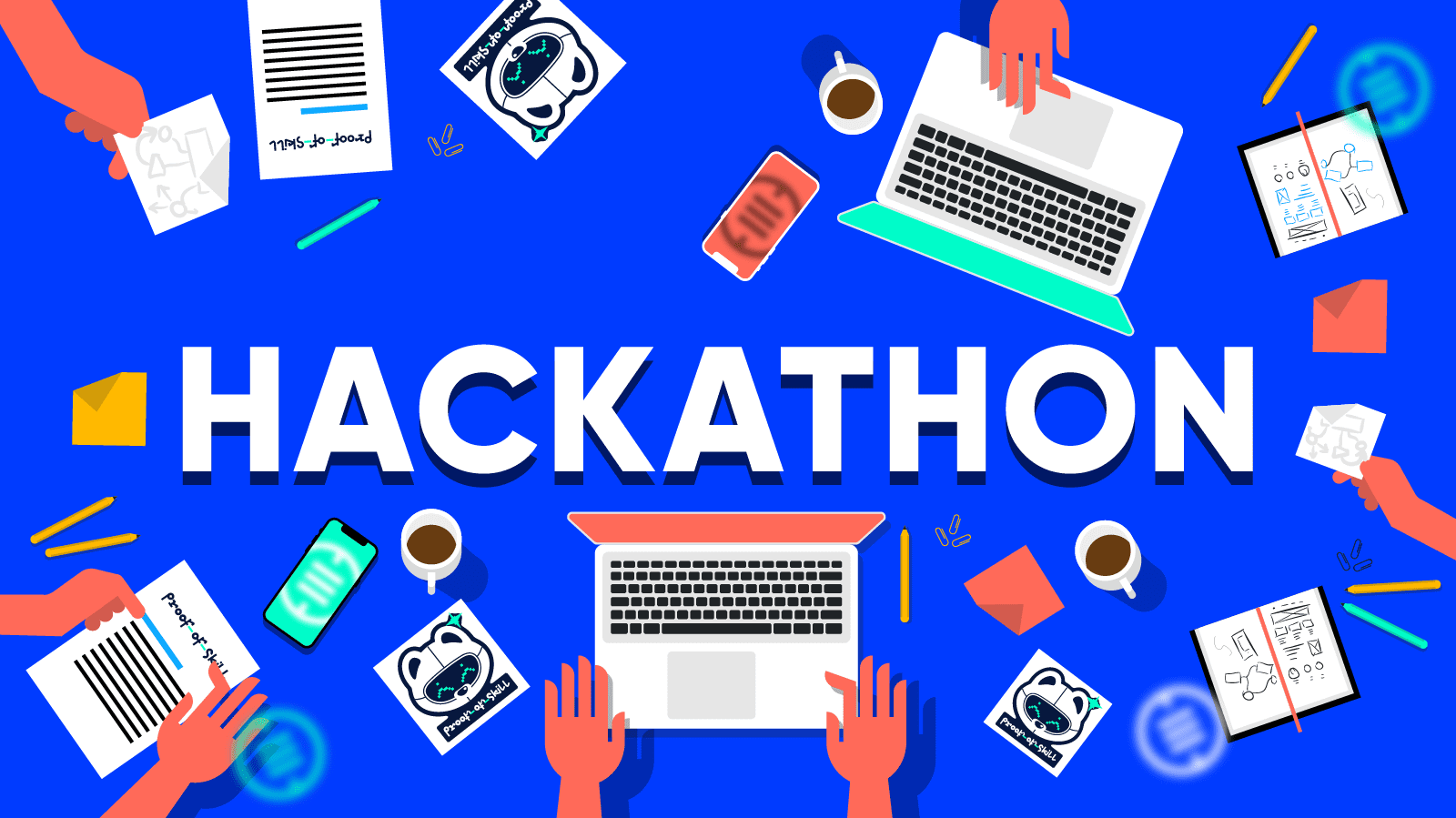
Shared work tables during collaborative software events, known as Hackathons.
Organizing events requires several phases and a lot of preparation. The phases for event organization are as follows:
1. Event Planning
In the first phase, consider the following aspects: Briefing and Strategy, objectives, budget, design integrated with visual identity, choice of location(s), schedule, and production team.
2. Event Organization
During the organization phase, think about coordination, protocol, content, speakers, technical committee, supplier selection, catering, security, transport, hosts, merchandising, and decoration.
3. Event Execution – The D-Day
When all the pertinent decisions have been made, the big day arrives (known as “D-Day”, as in World War II), and although it may seem that everything is done, the opposite is true since many aspects must be monitored to ensure everything goes according to plan. In terms of production and logistics, preparing a timeline or script reflecting what should happen at each moment can help. It is also useful to send a reminder briefing to different audiences (speakers, VIPs, suppliers, etc.). Define coordination techniques and support staff attention: hosts, waiters, drivers, technical team, etc. Also, define the on-site attention to guests, press, opinion leaders, influencers, etc.
4. Post-Event Evaluation
After the event, it’s not just about dismantling the equipment and stand. It is the ideal time to evaluate and review the lessons learned (if, for example, unexpected events occurred that hindered some steps). Writing an event report, sending thank-you notes to all involved, and sending relevant information to non-attendees are recommended. Finally, it is necessary to know what is being said about us and our event on social media.
In theory, everything seems relatively easy, but when plans need to be put into reality, especially technical aspects must be considered and questions like: Do I need a permanent or temporary stand? What materials do I want for my stand? Who will handle the setup and electrical installations? What design do I choose if the event is in a shopping center, and how can my business stand out from the competition? Thousands of questions need to be analyzed thoroughly.
As we mentioned earlier, the celebration of an event has several objectives, but in the retail sector, it is an especially beneficial tool. When an event is held, factors such as the stand, lighting, suppliers, and on-site organization, among others, are crucial.
The stand is one of the possible tools that will serve as the company’s business card to the guests. It must be well adapted to the space where the event is held, whether in a shopping center, outdoors, a fairground, or galleries. The stand elements must be well integrated with each other and adapted to the location.
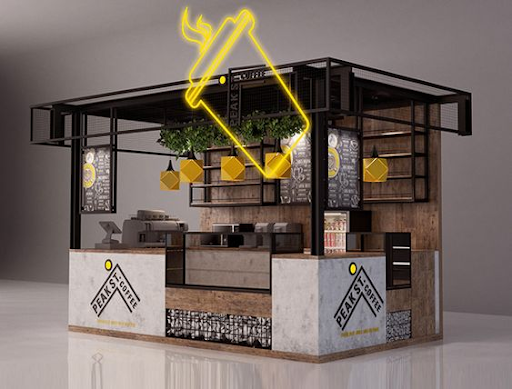
Prototype of a coffee stand for a trade show event.
We can also create new sensations and different environments using lighting or different musical effects and atmospheres.
You need to consider whether you need to broadcast the event professionally via streaming. For this, you need a good fiber connection, quality support, and to broadcast the event on platforms like YouTube, Instagram Live, or Vimeo. Currently, online events are trendy and effective. But it’s not enough to record a video with a mobile phone. Aspects of the implementation help your online event succeed. In the next section, we discuss the keys to organizing an online event.
Lastly, one aspect that stands out is the organization. As you have seen, there are four phases for organizing events in the retail sector, and many aspects need consideration. You may have planned, organized, and reviewed everything you need, but when the day arrives, it is challenging to have everything under control. Therefore, we recommend using management applications such as Tom Planner, Events IP, or the retrotiming or Gantt Chart (a project management system that graphically represents activities over a timeline).
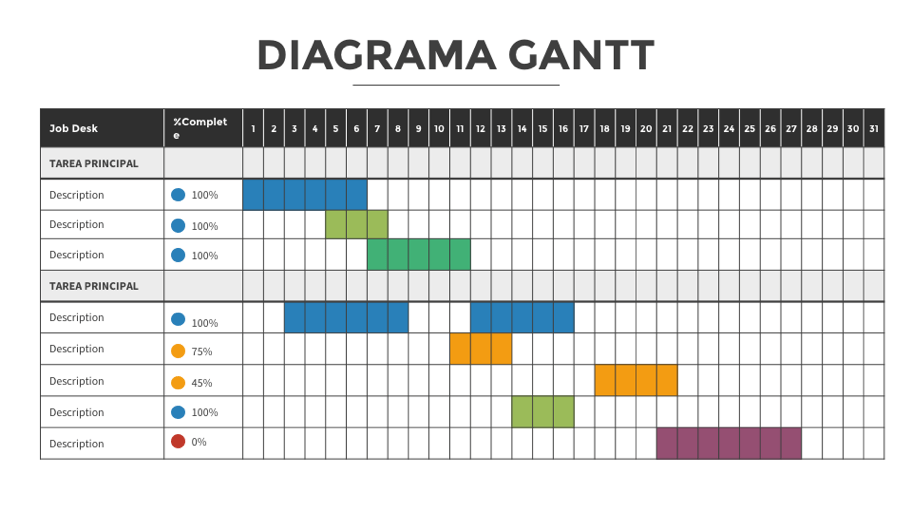
Example of the task description for executing an event and its timeline.
When organizing an event, it is important not to leave anything to improvisation. You can rely on professionals to help coordinate and organize the event, design the stand for fairs, and presentations to the press and other communication tools. Here are the thirteen general aspects you need to cover when organizing a retail event:
Personnel.
The staff responsible for the event execution must be well informed about their mission at all times, knowing where they need to be and the next step to ensure everything runs smoothly during the event.
Space.
The venue is as important as what happens inside it. Choosing the right location is crucial, as a poor decision can create a careless image and negatively impact the event’s development. When a convenient and original location is chosen, it is one of the factors that ensure success. Also, consider the available space within the venue to maximize every corner and strategically distribute the space.
Production. Production does not start and end on the event day; it is a process that begins once the event needs are identified, implemented, and ends when the space used is dismantled. You can seek professional help for the production of furniture and other decorative elements. There are many options for this step, such as the decoration of personalized photocalls and photo booths, 3D letters, neon signs, etc.
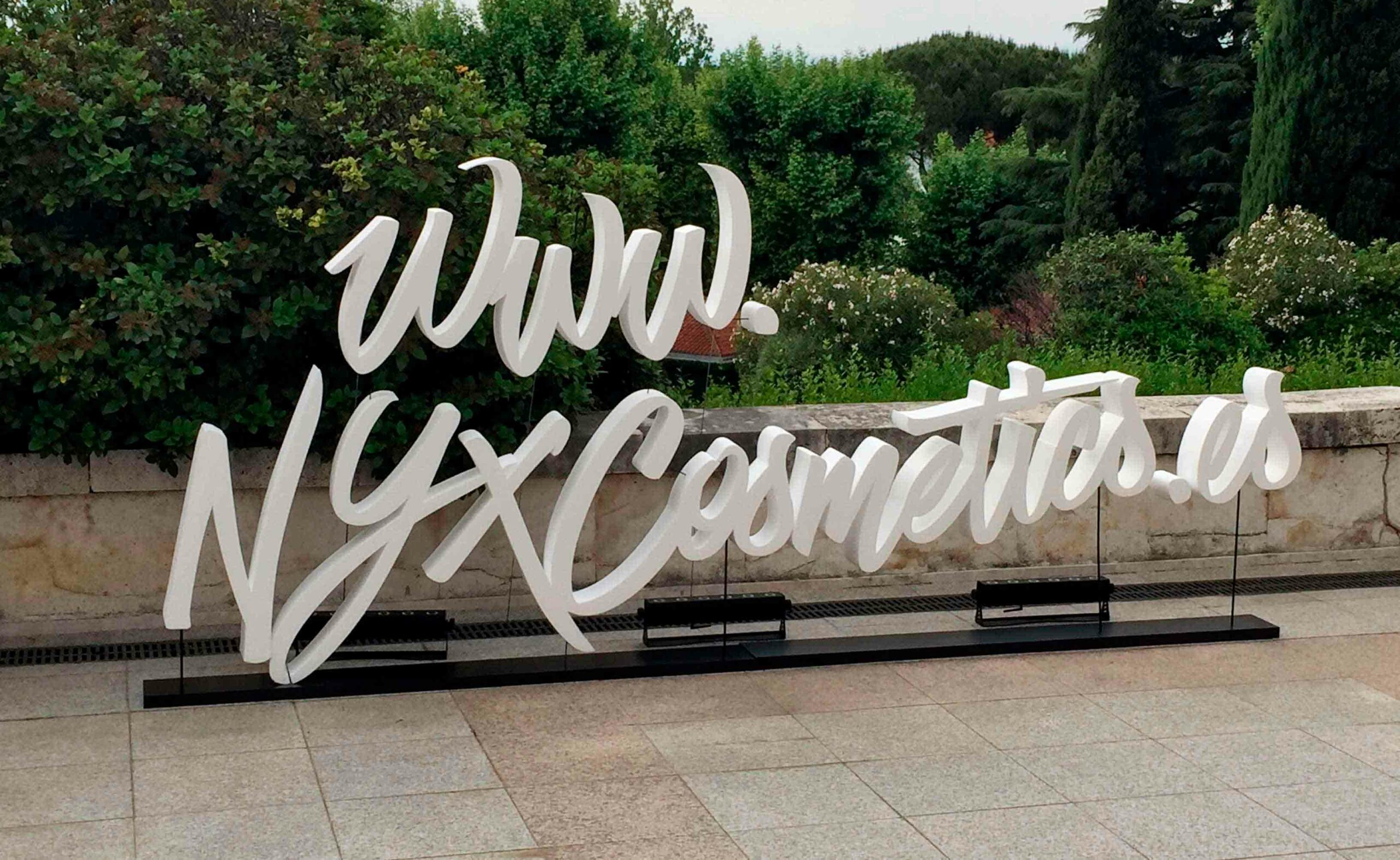
Decoration for Nyx make up event with 3D letters made of styrofoam illuminated from the ground.
Point-of-Sale Promotions (PLV) Setup. The setup involves three phases: planning, execution, and final reporting.
Furniture.
You need to decide whether you need furniture for event decoration or not. If you do, you have two options: designing and manufacturing custom furniture that meets the event’s needs or renting it.
Attire.
The use of uniforms is important to create a good image; they can feature corporate colors. There can also be slight variations in the uniform to indicate the staff hierarchy within the event.
Lighting.
Lighting is a key factor in creating perfect and different atmospheres at the event. You can introduce signs and 3D letters, posters, printed vinyl, photocalls, etc.
Decorative Elements.
Event and stage decoration requires professional event planners who can create scenery, decorations, and everything you need for your event.
Event Merchandising. Promotional material is crucial in the world of events. You should consider whether to hand out brochures, layers, pens, notebooks, etc. Your company’s DNA should be reflected in this material. Guests will keep the event material for a long time, potentially generating emotional connections that remind them of the brand.
Event Animation. It is proven that hiring animation for the event is a key to success. Event guests will have a unique and unforgettable experience.
Event Promotion. Promoting the event determines its success. Certain guidelines are essential for making the event a profitable investment in the short and medium term. It is recommended to promote the event once the organization phase is complete.
Guests. The actions of the event are directed at the guests. It is crucial to determine the type of audience the event targets and their preferences and tastes, to tailor each event phase accordingly.
Although it is impossible to present a perfect generic event marketing plan, as each event is different, many common tactics and event marketing ideas can serve as a guide when establishing your event marketing calendar.
Here are six tips for promoting your event (whether online or offline).
1. Create a Website for the Event.
Many people forget they can create an event page and launch it to share all relevant event information and capture initial interest, even if all the details aren’t finalized yet.
By creating the page, you have an online place to drive people to, use it to capture early interest, and even sell tickets online.
3. Influence Marketing.
The best way to reach new audiences is through collaboration with influencers related to the event sector who can promote it to their audiences.
This collaboration can be paid directly, by commission (setting goals to meet), offering free entry, or other benefits that may interest the influencer.
5. Press Release.
Getting press coverage can help expand the event beyond your own network and increase the number of attendees. It also helps build brand strategy and increase links to the website, potentially driving traffic for future events.
2. Promote the Event on Social Media. You can promote your event on various networks, from the most common ones like Facebook, Twitter, and LinkedIn, to the more specific and important ones depending on the type of event you organize, like Instagram, Snapchat, Pinterest, YouTube, Tumblr, Medium, Reddit, Quora, and others. You can create campaigns for free, stream the event, and have a thousand options.
Whether it’s paid social media advertising, Google Adwords, or retargeting, this will help drive a lot of traffic to your website and, therefore, more event visitors.
4. Email Marketing. Email is the most effective tactic for event organizers, so it will undoubtedly be crucial for the campaign. Once the event is ready, you should send your first email to potential attendees, including those who pre-registered. You can also partner with companies for collaborations with their email lists of potential customers.
6. Event Listing Websites. There are websites that list all scheduled events in different cities. They function as event search engines. You can filter by city, event type, etc. These websites are powerful because they have a lot of traffic, and creating a page for your event is very easy. They also offer paid options to advertise on Facebook, Instagram, etc.
As you have seen, organizing an event is complex. Many factors intervene and must be considered. To achieve success, you need coordination, planning, and perfectionism. The effort required to organize it is significant, but the reward is even greater.
You may also be interested

open
08:00 AM-18:00 PM Monday – Friday
08:00 AM-18:00 PM Monday – Friday
